
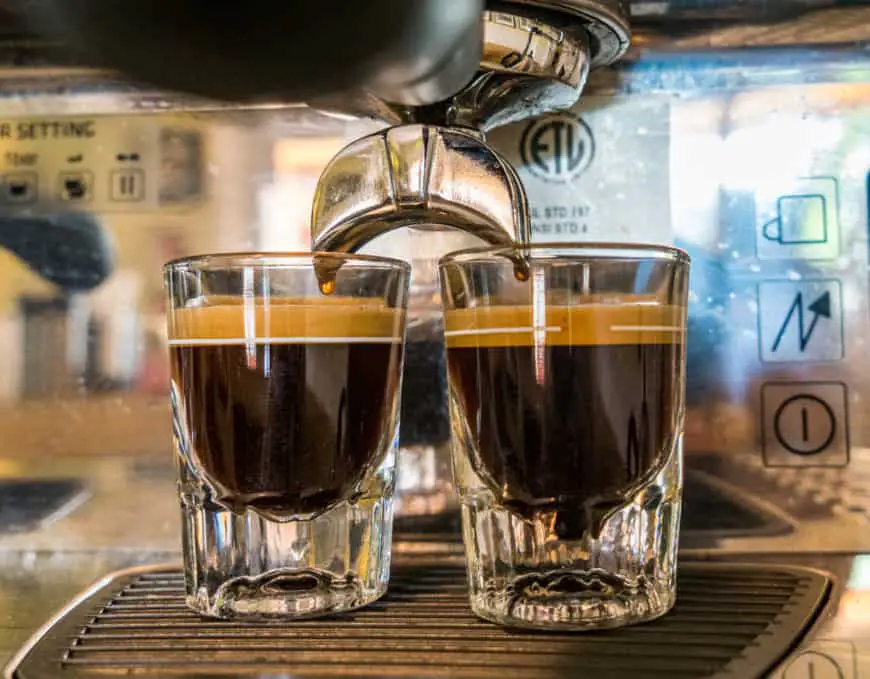
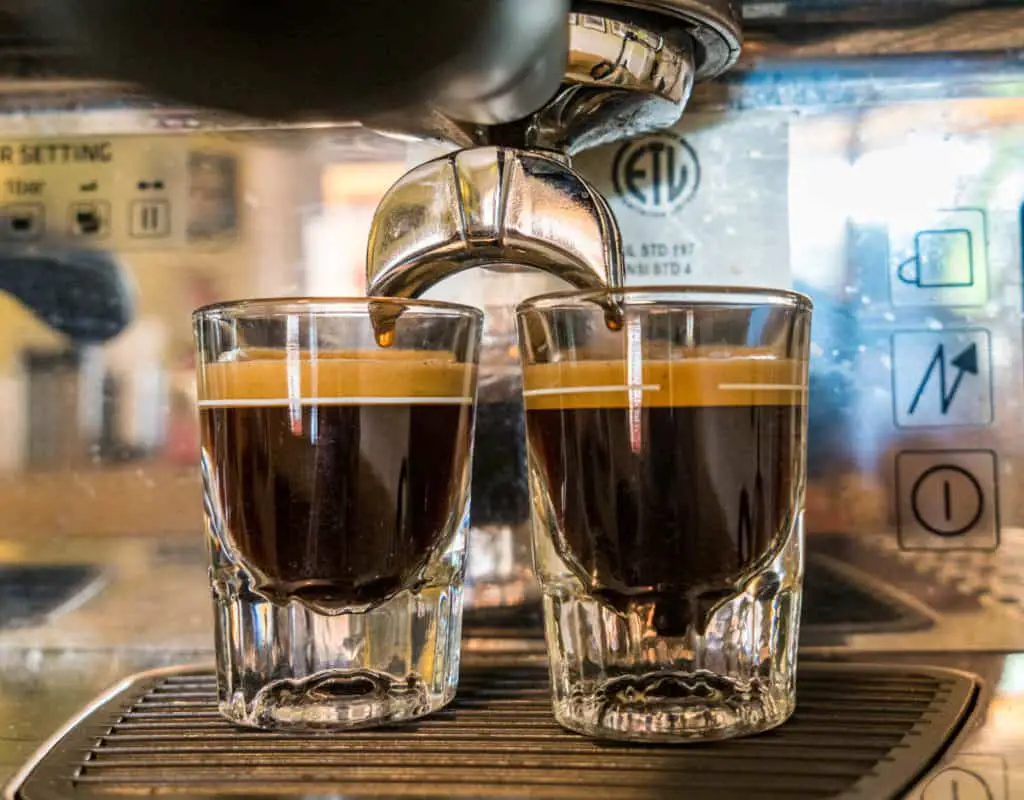
Crema is the first thing you see when an espresso lands in the cup, and the first thing people judge it by. A thick, hazelnut-colored layer looks like success. A thin, pale one looks like failure. Both impressions are partly right and partly misleading, because crema tells you a lot about how the shot was made and surprisingly little about how it will taste.
Here is what crema actually is, how to read it, why yours might be missing, and how to get more of it when it matters.
What Is Espresso Crema?
Crema, defined
Crema is the layer of fine foam that forms on top of a freshly pulled espresso. It is made of carbon dioxide bubbles from the roasted coffee, wrapped in emulsified coffee oils and tiny coffee particles. It forms because espresso is brewed under high pressure, and it fades within a couple of minutes.
- Gas: carbon dioxide trapped in the beans during roasting, forced into the water under pressure.
- Oils: coffee oils emulsified into the liquid, which give crema its sheen and texture.
- Solids: microscopic coffee particles and browned compounds that color the foam and hold the bubbles in place.
The mechanism is the same as opening a bottle of soda. Inside the machine, water is pushed through the coffee at around nine times atmospheric pressure, and at that pressure it dissolves far more carbon dioxide than it normally could. The moment the coffee leaves the basket, the pressure drops and the gas comes out of solution as millions of tiny bubbles. The oils and fine solids in espresso coat those bubbles and keep them from popping straight away, which is why you get a stable foam instead of a fizz.
Crema is also younger than espresso itself. Early machines used steam at low pressure and produced no foam at all. It only appeared after the spring-lever machines of the late 1940s pushed brewing pressure high enough, and Italian cafés marketed it as a sign of the new, better coffee. The idea that good espresso must have thick crema dates from that marketing.
What Good Crema Looks Like
Color is the most useful thing to read, because it reflects how fast the water moved through the coffee and how fresh the beans are. Look straight down into the cup.
Pale yellow, large bubbles, gone in seconds. The water ran through too quickly, or the beans have lost their gas.
Reddish brown with darker flecks and a fine, dense texture. It holds together for a minute or two.
Deep brown, often with a pale spot or a ring at the edge. The shot ran too long or too hot, or the roast is very dark.
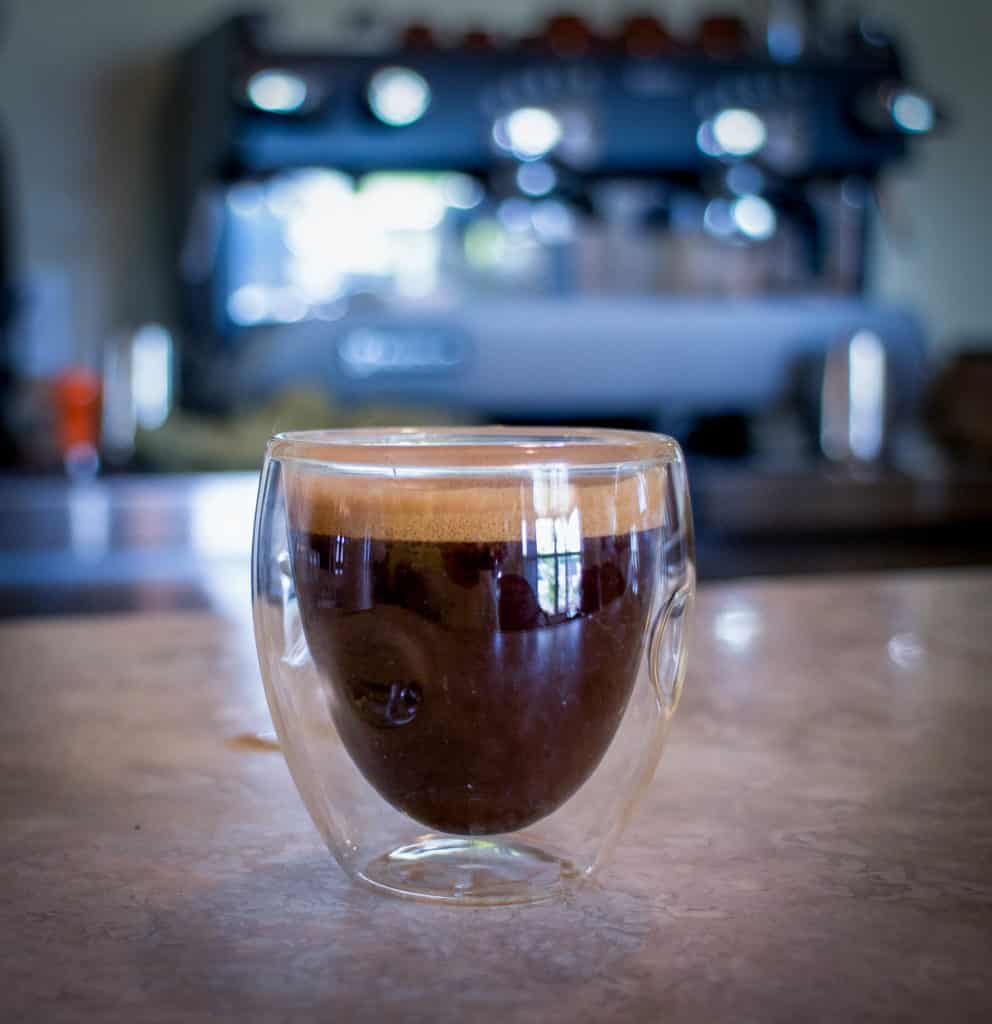
The darker flecks, often called tiger striping, are clusters of fine coffee particles. They are a good sign that the shot extracted evenly. Thickness matters less than people think: a layer that is a few millimeters deep and lasts a minute or two is plenty. Crema that is enormous and airy usually comes from beans roasted only a day or two ago, which are still releasing so much gas that the shot tastes sharp and thin underneath.
Why Your Espresso Has No Crema
If you are getting little or no crema, the cause is almost always one of these. They are listed from most to least common.
The gas that makes crema leaks out of roasted coffee over the following weeks, and much faster once it is ground. Pre-ground coffee or beans roasted months ago will make very little foam no matter what else you do. How you store beans slows the loss but cannot stop it.
Water rushes through, builds little pressure, and carries less oil and gas with it. If the shot runs in well under 20 seconds, grind finer. Our grind size guide shows what espresso grind should look and feel like.
An underfilled basket has the same effect as a coarse grind. Weigh your dose and match it to the basket size.
Machines that have not fully warmed up brew cool, pale shots. Let the machine heat for its full warm-up time and run a blank shot to heat the group.
Light roasts hold less gas and less soluble oil, so they make thinner crema even when the shot is excellent. This one is not a fault.
If the crema is there but the shot tastes sour, bitter or thin, the problem is extraction rather than foam. Our espresso troubleshooting guide walks through fixing the flavor itself.
Does Crema Taste Good?
On its own, not really. Skim the crema off with a spoon and taste it, and most people find it bitter, dry and slightly ashy. Taste the liquid underneath and it is sweeter and rounder, but a little flat. Together they balance: the crema adds bitterness, aroma and a creamy texture, and the liquid carries the sweetness and acidity.
That is why many baristas give the cup a quick stir or swirl before drinking, so every sip has a bit of both. Do it soon, too. Crema starts breaking down within a minute or two of the shot finishing, and the aroma goes with it, which is one reason espresso is best drunk quickly.
How to Get Better Crema
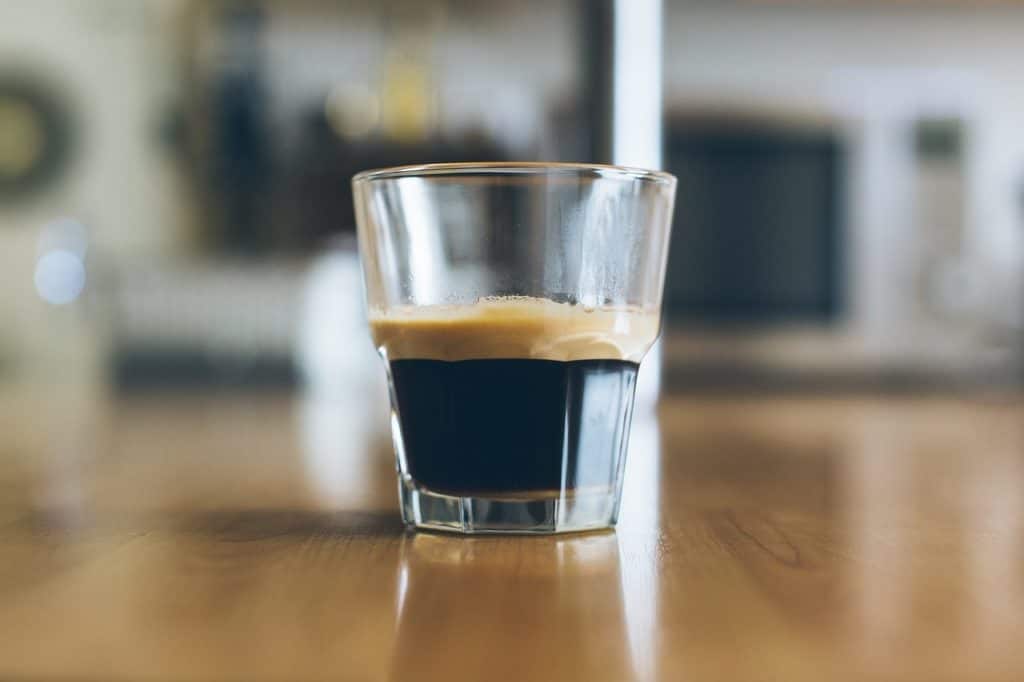
Five steps to a better crema
Work down the list in order. Each step fixes a more common problem than the one after it.
- Use beans roasted roughly one to four weeks ago, and grind them right before brewing.
- Weigh your dose so it matches your basket, typically 18 grams for a standard double.
- Grind fine enough that a double shot of about 36 grams takes 25 to 30 seconds.
- Distribute the grounds evenly and tamp level. A firm, flat tamp matters far more than exactly how hard you press. A WDT tool helps break up clumps.
- Let the machine heat fully so the water reaches around 195 to 205°F (90 to 96°C).
Bean choice changes crema too. Robusta produces noticeably thicker, longer-lasting crema than Arabica, which is why traditional Italian espresso blends often include some. Medium and medium-dark roasts foam more readily than light ones; see our guide to roast levels for how roasting changes the bean.
Real Crema vs Fake Crema
Not every foam on top of coffee comes from a well-made shot. Some machines are designed to produce foam regardless of the coffee, which is why crema is only a reliable signal on a standard espresso basket.
- How the foam forms
- Pressure built by the coffee bed itself
- What crema tells you
- Freshness, grind and extraction
- Reliable signal?
- Yes
- How the foam forms
- A tiny exit hole forces and aerates the coffee
- What crema tells you
- Very little. Foam appears even with stale coffee
- Reliable signal?
- No
- How the foam forms
- It barely does. Pressure is far below espresso
- What crema tells you
- A light foam at best, not true crema
- Reliable signal?
- Not applicable
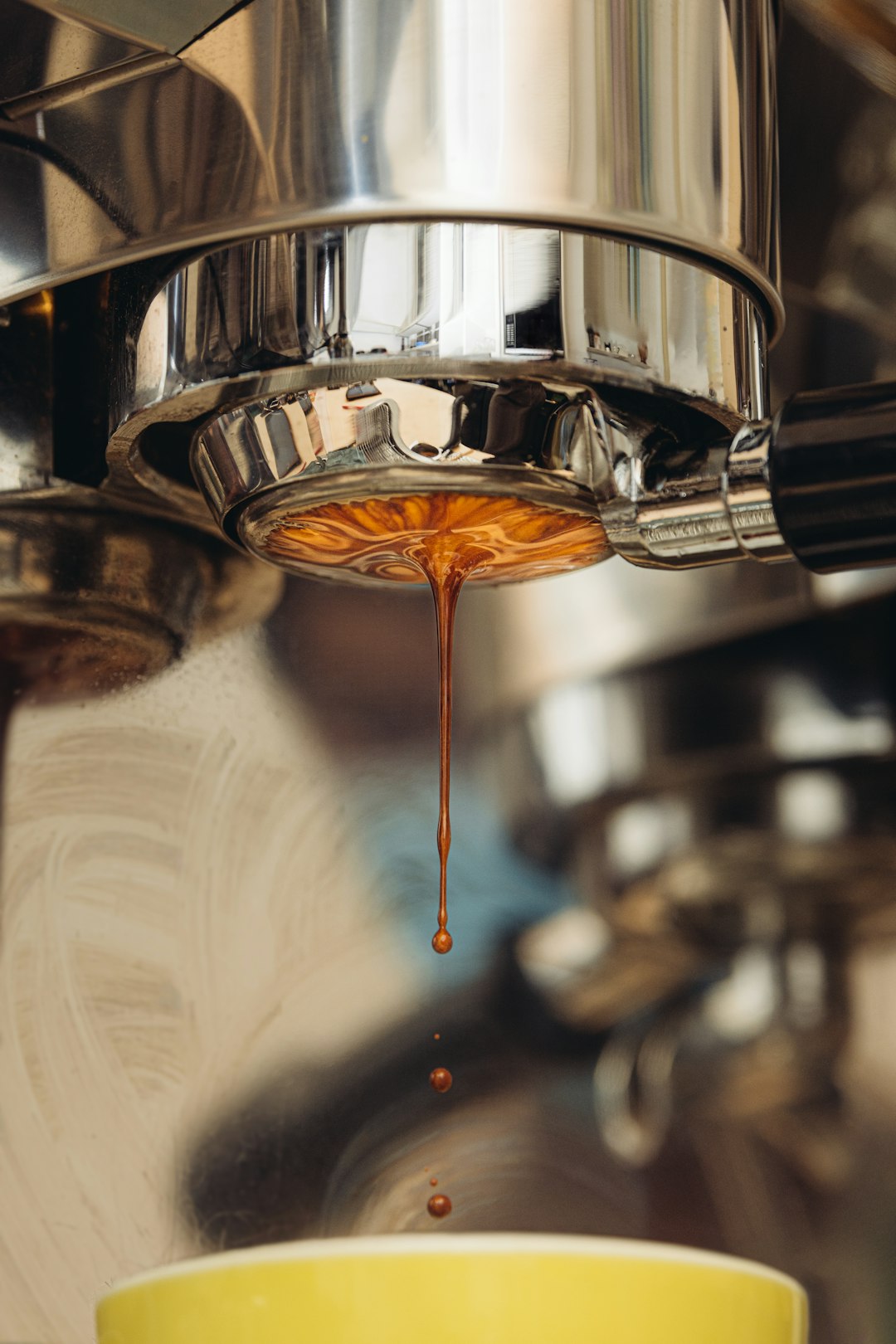
A bottomless portafilter is the most honest way to watch crema form. With no spouts in the way, you can see the coffee emerge from the basket, turn from dark to golden, and thin out toward the end of the shot. If it sprays or runs in thin streams from one side, the puck is uneven, and the crema will be patchy.
A moka pot makes excellent strong coffee, but it never reaches espresso pressure, so do not expect real crema from one. Shot length changes crema as well: a ristretto keeps a dense crema, while a long lungo washes it thin.
Treat crema as a gauge, not a goal. When it looks right, your beans are fresh and your shot ran at the right speed. When it looks wrong, it tells you where to look. But the final word always belongs to the cup, and a shot that tastes good is a good shot, whatever sits on top of it.

Former roastery owner and coffee tour operator. Steve spent five years roasting coffee for his own shop and wholesale customers. More about Steve